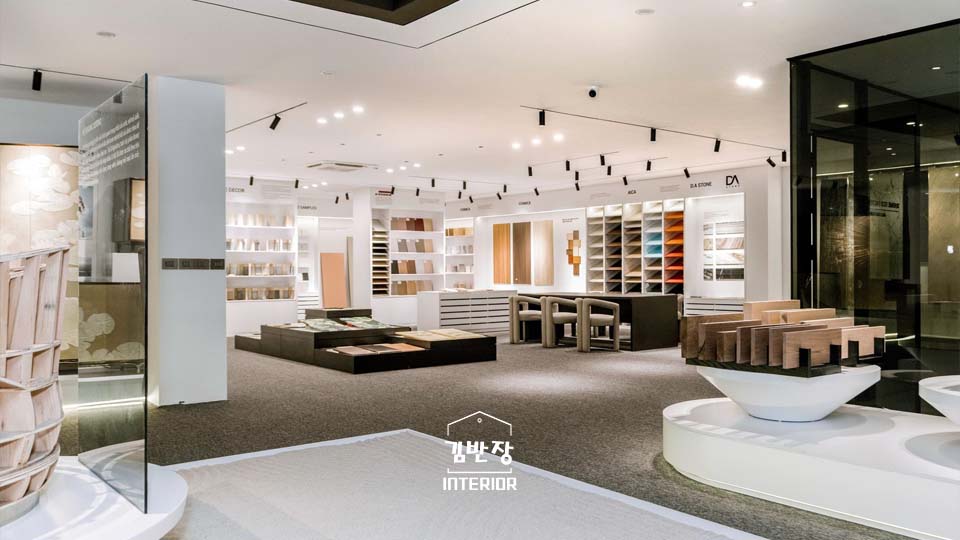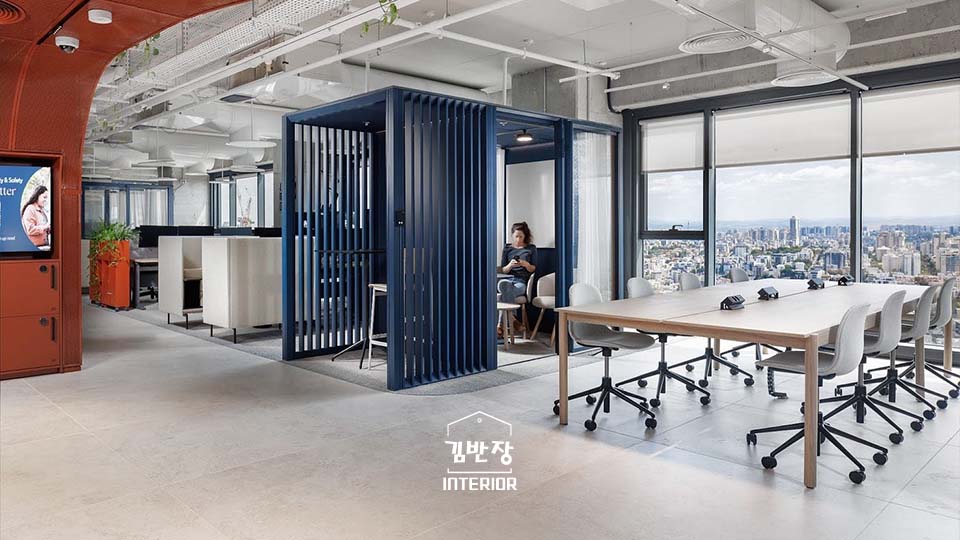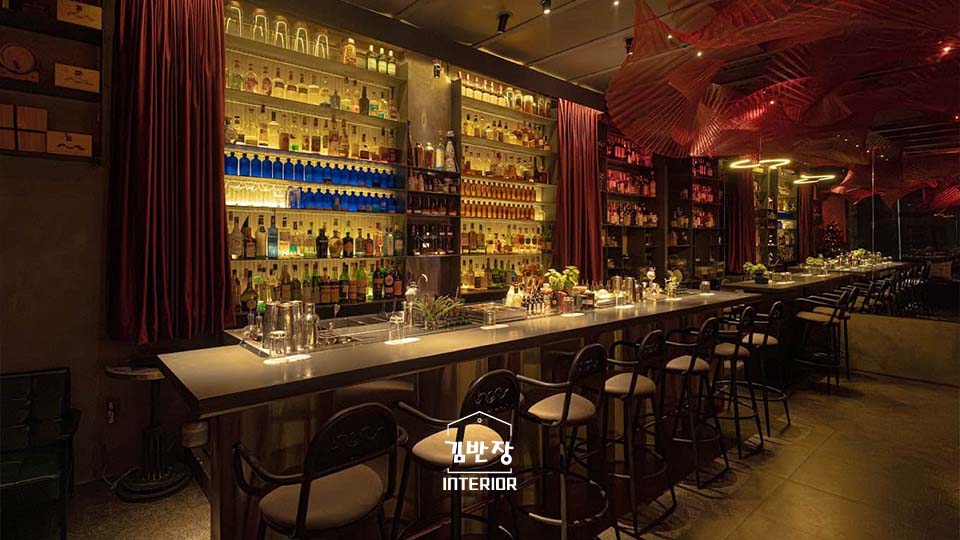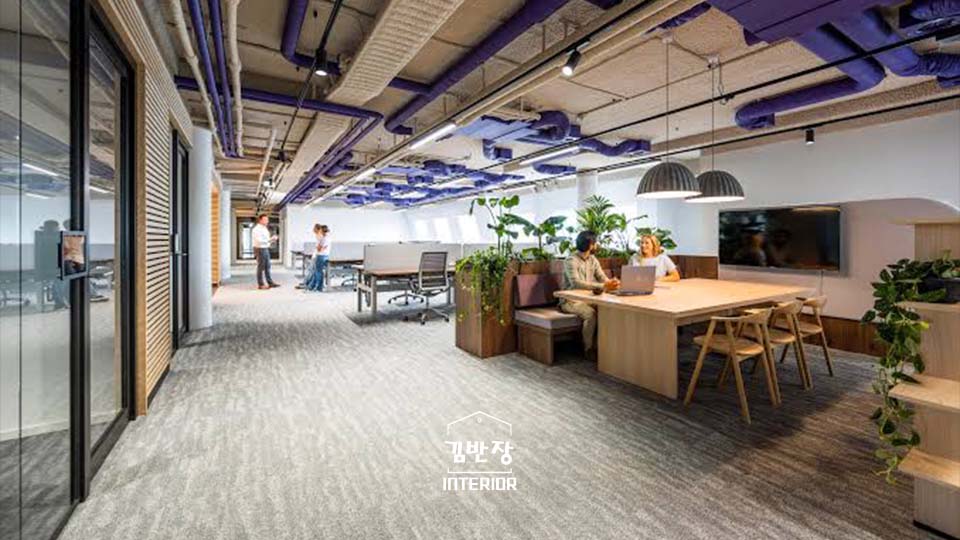
Rent in a District 1 Grade A tower can run USD 60 per square meter a month before a single desk is installed — more than most companies in District 7 or Binh Thanh pay for rent and fit-out combined. At that price, the interior design either earns its keep by matching the address, or it becomes the most visible sign that a company overpaid for a location it isn’t using well.
Office fit-out in District 1 has to account for Ho Chi Minh City’s highest-rent, most tightly regulated commercial buildings — from Grade A towers like Bitexco and Saigon Centre to heritage shophouse offices with far more design freedom. Kimbanjang Interior designs and builds offices across District 1; call 0899 399 668 for a site survey and consultation.
Why District 1 Office Fit-Outs Operate Under Different Rules
District 1 is Ho Chi Minh City’s central business district, and that status shapes the office market in ways that don’t apply anywhere else in the city. It holds the highest concentration of Grade A towers — Bitexco Financial Tower, Saigon Centre, Deutsches Haus, Vietcombank Tower, and The Nexus among the most prominent — commanding rents in the range of USD 45-65 per square meter per month, among the highest in the city. That rent level pulls in a specific tenant profile: multinational regional headquarters, international law firms, financial services companies, and consulting firms that need a client-facing address more than they need cheap square footage.
That tenant profile, in turn, shapes the design brief. A District 1 office fit-out is judged against international client expectations in a way an office in Binh Thanh or Thao Dien typically isn’t — a visiting partner from a regional headquarters, a due-diligence team from an overseas investor, or a prospective client meeting the firm for the first time forms an impression of the business’s stability partly from the space itself, before a single conversation happens.
This means the design brief in District 1 carries more weight per square meter than in most other districts: the same budget that produces a perfectly serviceable office in Binh Thanh needs to work harder in District 1 to justify the address it’s attached to, which is why finish quality, reception design, and meeting room proportions tend to receive a larger share of the fit-out budget here than in outer-district projects of the same size.
Every company evaluating District 1 faces this trade-off differently depending on how much weight the address carries for its specific client base.
If your company is weighing District 1 against a lower-cost district specifically on budget grounds, our guide to office interior design in Binh Thanh covers a market with meaningfully lower rent and more design freedom for the same fit-out budget.

District 1’s Grade A Towers and What Their Fit-Out Guidelines Actually Require
Securing space in a Grade A tower is only the first step — nearly every one of these buildings enforces a detailed fit-out guideline that shapes the design brief before a single wall goes up. Landlords in buildings like Bitexco, Saigon Centre, and Deutsches Haus typically require tenants to submit fit-out drawings, MEP plans, and contractor registration documents for formal design review, along with a refundable damage deposit, before construction can begin.
The guidelines themselves usually restrict several design decisions a tenant might otherwise want full control over: ceiling grid height and finish, approved partition systems, signage visible from common corridors or lobby areas, and sometimes even the color palette visible through glass partitions from shared hallways. Construction is typically confined to specific hours or after-hours windows to avoid disrupting neighboring tenants, and freight elevator access for materials is usually booked in advance through building management rather than scheduled freely. None of this makes a Grade A fit-out impossible to customize — it means the design brief has to work within a template rather than starting from a blank page.

Heritage Buildings and Grade B Offices: The Budget-Conscious Alternative
Not every District 1 business needs a Grade A lobby to make its case to clients. Scattered through streets like Dong Khoi, Nguyen Hue, and Le Thanh Ton are older Grade B office buildings and French colonial-era shophouses converted into boutique office space — offering a District 1 address at a fraction of Grade A rent, with far fewer restrictions on what a tenant can actually do with the interior.
Landlords in these buildings are typically much more permissive about structural changes, exposed ceiling treatments, and custom branding at the entrance, which appeals to design-forward companies — creative agencies, boutique consultancies, smaller law practices — that want a distinctive office rather than a template-compliant one. The trade-off runs the other direction from a Grade A tower: backup power, central security, lobby presentation, and consistent HVAC performance become largely the tenant’s own responsibility rather than something the building handles centrally. A heritage building’s older electrical and plumbing infrastructure also frequently needs real investment before it can support a modern office’s power load — worth confirming with a technical survey before signing a lease rather than discovering it mid-fit-out.

Office Fit-Out Costs in District 1 in 2026
Office fit-out costs in District 1 in 2026 run higher across all three tiers than in outer districts, reflecting both the CBD tenant profile’s finish expectations and, for Grade A buildings, the additional coordination the landlord’s process demands.
| Fit-Out Tier | Typical Scope | Cost per m² | Timeline |
|---|---|---|---|
| Basic | Paint, flooring, standard partitions, basic lighting | VND 7-12 million | 5-7 weeks |
| Mid-tier | Custom joinery, upgraded MEP, meeting rooms, branded reception | VND 13-22 million | 7-11 weeks |
| Premium (Grade A) | Full ceiling and lighting design, branded environments, premium finishes | VND 22-38 million+ | 11-15 weeks |
A typical 150-250m² District 1 office runs roughly VND 2-5 billion all-in depending on tier and building grade. These figures cover design, construction, custom joinery, lighting, and contractor management, and exclude furniture, IT infrastructure, and AV equipment. If you’re comparing this against a turnkey, end-to-end fit-out process across the wider city, our guide to turnkey office fit-out contractors in Ho Chi Minh City walks through that process in more depth.
Designing for District 1’s Tenant Profile: Prestige, Client Trust, and Confidentiality
The companies that lease in District 1 specifically for the address — law firms, financial services, consulting, and multinational regional offices — bring a design brief that differs meaningfully from a tech startup or creative agency occupying the same square footage elsewhere in the city.
- A higher ratio of enclosed meeting rooms to open desking, since client meetings and confidential conversations are a bigger share of daily activity than in a typical startup office.
- Soundproofing specified as a requirement rather than an upgrade, particularly around meeting rooms and partner offices where confidentiality has legal or regulatory weight, not just comfort value.
- A reception and lobby-facing design that reads as established and trustworthy — natural stone, timber, and restrained branding tend to perform better for this tenant profile than trend-driven finishes that date quickly.
- A material palette built for longevity over a 5-7 year lease term rather than a 2-3 year refresh cycle, since this tenant profile renovates far less frequently than a hospitality or retail business.
Designing a District 1 law firm or financial services office with a casual, open-plan startup brief is one of the more common mismatches that shows up during a site visit — the layout technically works, but it doesn’t communicate the stability and discretion the client base expects to see.

Security, After-Hours Access, and Building Services Worth Confirming Early
Grade A towers in District 1 generally handle security, after-hours building access, and shared facilities centrally, but the specifics vary enough between buildings that assuming a standard package is a common source of mid-project surprises. Some towers require pre-registered access cards for every employee and visitor with a multi-day lead time to issue new ones, which matters for a company planning rapid headcount growth or frequent client visits. After-hours air conditioning in some buildings runs on a separate, metered basis rather than being included in the base service charge, which can meaningfully affect operating cost for a company whose teams regularly work late.
Confirming these building-service details during lease negotiation — not after signing — gives the design team accurate information to plan around, particularly for after-hours cooling zones, visitor registration flow at reception, and how quickly new access credentials can be issued as the company scales. A heritage building or Grade B office, by contrast, usually leaves these decisions entirely to the tenant, which means budgeting for a dedicated security guard, a simpler sign-in process, and self-managed after-hours power and cooling from the start.
Parking and Access: A Genuine Constraint in the CBD
Parking in District 1 is tighter and more expensive than almost anywhere else in Ho Chi Minh City, and most Grade A towers allocate only a fixed number of car parking spaces that fill up well before a tenant’s full headcount could use them. A meaningful share of District 1’s office workforce commutes by motorbike, taxi, or ride-hailing rather than personal car, partly as a direct response to this constraint.
Confirming a building’s actual car and motorbike parking allocation against the company’s planned headcount — not its advertised total capacity — is worth doing before signing a lease, since parking shortfalls in District 1 are far harder to solve after move-in than in a newer development with more structured parking supply. For senior staff or clients who do arrive by car, some Grade A buildings offer limited visitor parking that needs to be reserved in advance rather than assumed available.
According to Minh Tran, Design Director at Kimbanjang Interior: “District 1 clients almost always underestimate the landlord approval timeline in a Grade A tower, not the construction work itself. A fit-out that would take seven weeks in a heritage building on Dong Khoi can take fourteen in a major tower purely because of design review cycles and limited freight elevator slots — and that schedule has to be planned for from day one, not discovered halfway through.”

Why Companies Choose a Design-and-Build Partner in District 1
Navigating a Grade A tower’s fit-out guidelines while separately managing a contractor relationship creates exactly the kind of coordination gap that costs time and money in District 1’s highest-stakes buildings — a gap that widens whenever the design brief doesn’t line up cleanly with what the landlord’s template assumes.
Kimbanjang Interior handles design and construction management under a single contract for office projects across District 1, from Grade A towers to heritage buildings, keeping landlord approval, MEP coordination, and finish decisions aligned from the first site survey through move-in. If your company is specifically looking for a Korean-speaking team to manage the project, our guide to Korean-speaking office interior design in Ho Chi Minh City covers that service model in more detail.
If your company is planning an office fit-out in District 1 — Grade A tower, Grade B building, or heritage shophouse office — contact Kimbanjang Interior at 0899 399 668 or kimbanjanginterior@gmail.com for a site survey and consultation.
Grade A, Grade B, or Heritage Building: Matching the Space to the Business
| Factor | Grade A Tower | Grade B Building | Heritage Shophouse |
|---|---|---|---|
| Rent (relative) | Highest — USD 45-65/m²/month | Moderate | Lowest |
| Design freedom | Limited by landlord guidelines | Moderate | High |
| Building infrastructure support | Comprehensive — power, security, HVAC centrally managed | Moderate | Minimal — largely tenant’s responsibility |
| Best fit | MNC regional HQ, law firms, financial services | Established SMEs, regional branch offices | Creative agencies, boutique consultancies |
None of the three is universally the right choice — the decision comes down to how much weight the address itself carries for the business, against how much design freedom and budget flexibility the company actually needs. A design team that has worked across all three building types in District 1 can give an honest read on which one fits a specific company’s stage and client base, rather than defaulting to whichever space happens to be available.

Frequently Asked Questions
What makes office fit-out in District 1 different from other districts in Ho Chi Minh City?
District 1 holds the city’s highest concentration of Grade A towers — Bitexco, Saigon Centre, Deutsches Haus, Vietcombank Tower, and The Nexus — alongside Grade B buildings and heritage shophouses. Rent runs significantly higher than Binh Thanh or Thao Dien, landlord fit-out guidelines in Grade A towers are typically stricter, and the tenant profile skews toward multinational HQs, law firms, and financial services companies expecting a prestige-driven design brief.
How much does office fit-out cost in District 1 in 2026?
Office fit-out costs in District 1 in 2026 typically run VND 7-12 million per m² for a basic fit-out, VND 13-22 million per m² for a mid-tier fit-out, and VND 22-38 million per m² or more for a premium Grade A fit-out. Grade A tower rent itself runs roughly USD 45-65 per m² per month, among the highest in the city.
What fit-out approval process do Grade A towers in District 1 require?
Grade A towers require tenants to submit fit-out drawings, MEP plans, and contractor registration for formal landlord design review before construction starts, along with a refundable damage deposit. These buildings typically restrict ceiling grid height, approved partition systems, and visible signage, with construction limited to specific hours.
Is a heritage building or Grade B office in District 1 a realistic alternative to a Grade A tower?
Yes, for tenants who don’t need a Grade A lobby to make an impression. Older Grade B buildings and converted heritage shophouses along Dong Khoi, Nguyen Hue, and Le Thanh Ton offer lower rent and more design freedom, though backup power, security, and HVAC performance become largely the tenant’s own responsibility.
How long does an office fit-out take in District 1?
A standard office fit-out in District 1 (150-300m²) takes 7-11 weeks from signed design contract to move-in. Fit-outs inside Grade A towers often take longer — sometimes 11-15 weeks — due to formal landlord design review and limited freight elevator booking windows.
What should a law firm or financial services company prioritize in a District 1 office fit-out?
A reception and meeting room ratio proportionate to client traffic, soundproofing for confidential conversations, and a material palette that reads as established and trustworthy rather than trend-driven. A higher ratio of enclosed meeting rooms to open desking is typical compared to a tech startup in the same square footage.
What are the parking and access realities for a District 1 office?
Parking in District 1 is limited and expensive, and most Grade A towers offer only a fixed number of car parking spaces. Many office workers commute by motorbike, taxi, or ride-hailing. Confirming actual parking allocation against planned headcount before signing a lease is an important step.
Who provides office fit-out services in District 1?
Kimbanjang Interior is a design-and-build firm with office fit-out experience across Ho Chi Minh City, including District 1’s Grade A towers and heritage buildings, combining Korean design precision with local construction and landlord-approval expertise. Call 0899 399 668 for a site survey and consultation.
Planning an office fit-out in District 1? Contact Kimbanjang Interior for a site survey and consultation:
Phone: 0899 399 668
Email: kimbanjanginterior@gmail.com
Website: kimbanjanginterior.com