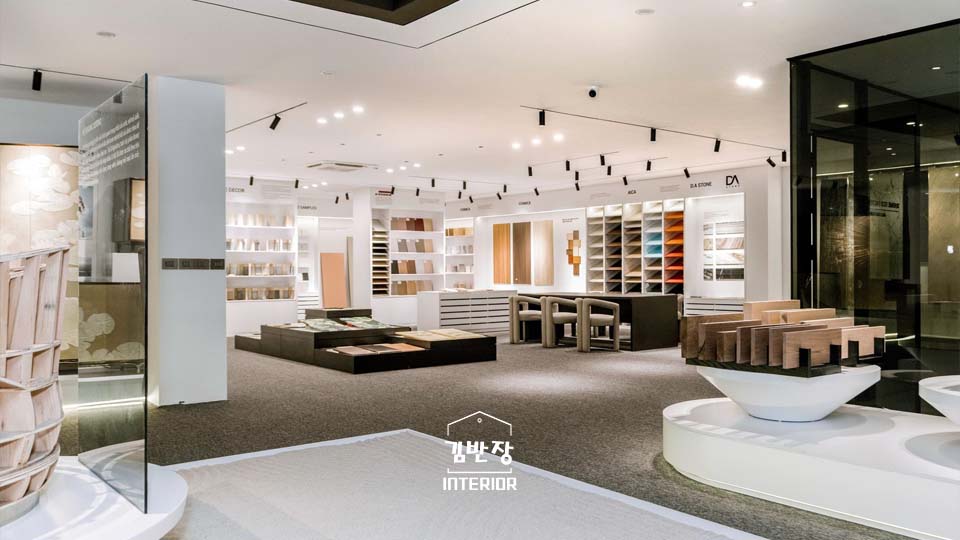
Why District 2’s Shop Market Runs on Different Logic Than the Rest of Saigon
District 2 — anchored by Thao Dien, An Phu, and the rapidly developing Thu Thiem area — built its retail identity around villas rather than shophouses, which puts it in a different category than nearly every other retail district in Ho Chi Minh City. Thao Dien in particular has become known for home decor showrooms, lifestyle concept stores, and boutique fashion shops operating out of converted residential villas with real gardens and off-street parking — a format that simply doesn’t exist at scale in District 1 or District 3’s narrow shophouse corridors. If you’re researching the broader Saigon retail market for comparison, our citywide guide to retail store interior design in Saigon covers general fit-out standards and shophouse-format retail across the rest of the city.
The district’s customer base reinforces this format. District 2 has one of the highest concentrations of long-term foreign residents in Ho Chi Minh City, alongside upper-income local families, and this group shops differently than the high-foot-traffic, impulse-driven crowd that shophouse retail in the city center is built to capture. District 2 shoppers tend to arrive with intent, browse more slowly, and respond to a curated, uncluttered presentation rather than dense product walls designed to maximize visible SKU count.

Converting a Villa Into a Retail Shop: What Changes
A villa conversion gives a District 2 shop something a standard retail unit can’t: real floor area across multiple rooms, a garden that can double as an outdoor display or seating zone, and a sense of discovery as customers move from room to room — a layout logic that suits home decor, furniture, and lifestyle concept stores especially well, since these categories benefit from showing products in a room-like setting rather than on flat retail shelving.
The conversion comes with real infrastructure work, though. A villa’s original electrical capacity rarely anticipates a retail shop’s lighting load — a decor showroom in particular often needs significantly more accent and display lighting circuits than a home ever required — and converting what were bedrooms and living rooms into a coherent retail flow needs a deliberate wayfinding plan so customers don’t feel like they’re wandering through someone’s former house. Garden space used for outdoor display or seating also needs the same climate-appropriate material thinking that applies to any outdoor retail or F&B space in Ho Chi Minh City’s humidity and seasonal rain. If you’re also evaluating a cafe concept for the same type of villa property, our guide to cafe interior design in Thao Dien covers the comparable villa-conversion logic for F&B specifically.

What Sells in District 2: Matching Shop Category to the Local Market
Not every retail category performs equally well in District 2’s lower-density, destination-driven shopping pattern, and understanding which ones do shapes the design brief before a single material is chosen.
- Home decor and furniture showrooms benefit directly from the district’s villa-conversion format and from an expat customer base actively furnishing long-term homes, making them one of the strongest-performing categories in the area.
- Fashion and lifestyle boutiques targeting a slower, more considered shopping experience outperform fast-turnover fashion retail here, which generally does better in higher-traffic districts.
- Specialty food, wine, and gourmet shops find a natural customer base among District 2’s international residents, often performing best when paired with a small tasting or cafe element.
- Concept stores that blend retail with a cafe, gallery, or workshop space capture the district’s appetite for a slower, more experiential visit rather than a quick transaction.
A fast-turnover, budget-focused retail format transplanted into District 2 without adjusting for this slower shopping pattern is one of the more common reasons a new shop underperforms its business plan in the first year, regardless of how well the interior itself is designed.
Seasonal and event-driven retail also has a meaningful place in District 2’s calendar, since the district’s international school community and expat families create reliable demand spikes around the Western school year, major holidays, and community events that a shophouse retailer in a purely local neighborhood wouldn’t see in the same way. Designing flexible display zones that can be reconfigured for a seasonal pop-up or a themed promotion, rather than locking every fixture in place permanently, gives a District 2 shop a way to capture that demand without a full renovation each time the calendar turns over.

Thu Thiem’s Emerging Retail Layer
Thu Thiem’s ongoing development is gradually introducing a second, distinct retail format to District 2 — modern mixed-use podium retail inside new residential and commercial towers, built on standardized infrastructure and structured parking rather than converted villas. This gives District 2 retail tenants a genuine choice that didn’t exist a few years ago: the established villa-boutique format in Thao Dien, or a newer, more infrastructure-ready alternative in Thu Thiem with larger floor plates and fewer of the conversion challenges that come with adapting a residential building.
For a retail concept that needs predictable power capacity, loading access, or a larger single floor plate than a villa can offer, Thu Thiem is worth evaluating directly against Thao Dien rather than assuming the villa format is the only option inside District 2.
The two formats will likely coexist rather than compete directly for the same tenant, at least in the near term. A villa conversion in Thao Dien still offers something Thu Thiem’s new towers can’t replicate quickly — mature landscaping, a sense of residential charm, and an established customer base that already associates the area with boutique shopping. Thu Thiem, in turn, offers a cleaner slate for a retail brand that wants to build its own identity from scratch inside modern infrastructure rather than working around the quirks of a converted house. Which format fits better depends less on budget alone and more on whether the brand’s identity benefits from that sense of established character or needs a blank canvas to build its own.

Lighting and Display Design for a Slower, More Deliberate Shopper
Lighting strategy in a District 2 shop needs to work differently than in a high-traffic shophouse store built to catch attention from the street. Where shophouse retail often relies on bright, even lighting to maximize visible product density from outside, District 2’s destination-driven customer base responds better to layered lighting that creates distinct zones within the shop — warmer, more intimate lighting in a seating or consultation area, brighter accent lighting on hero products or display vignettes, and softer ambient lighting throughout the rest of the space.
This layered approach matters especially for home decor and furniture showrooms, where lighting needs to replicate how a piece will actually look in a customer’s home rather than under flat retail lighting designed purely for visibility. Natural light also plays a larger role in villa-conversion shops than in shophouse retail, since villas typically have more window area and garden-facing glazing than a narrow street-facing unit — a feature worth designing around rather than covering up with blackout treatments better suited to a shophouse’s street-noise and security concerns.

Parking and Arrival: Part of the Shopping Experience, Not an Afterthought
District 2’s shopper base skews toward car and ride-hailing arrivals more than the mostly motorbike and on-foot traffic typical of shophouse retail districts, which makes parking and arrival sequence a genuine design consideration rather than something left entirely to the property’s existing driveway. A villa’s existing gate and parking area should be reviewed early in the design process for how well it accommodates expected customer volume, since an awkward or cramped arrival undercuts the unhurried, considered shopping experience the rest of the interior is designed to create.
Where the property allows it, treating the arrival sequence — the gate, a short approach path, and the transition from parking into the shop or garden display — as a designed part of the customer journey rather than leftover space sets the right tone before a customer even reaches the front door. This consideration barely exists in a shophouse retail brief, where customers simply step off the sidewalk, which is part of why directly copying a shophouse store plan into a villa property so often misses what makes the format work.

Shop Interior Design Costs in District 2 in 2026
Shop interior design and fit-out costs in District 2 in 2026 fall into three tiers, shaped mainly by finish level and the extent of custom millwork.
| Fit-Out Tier | Typical Scope | Cost per m² | Timeline |
|---|---|---|---|
| Basic | Paint, flooring, standard shelving, basic lighting | VND 5-8 million | 4-6 weeks |
| Mid-tier | Custom joinery, feature lighting, branded fitting rooms | VND 9-16 million | 6-10 weeks |
| Premium concept store | Extensive custom millwork, branded shopfront, garden/outdoor zone | VND 16-30 million+ | 10-14 weeks |
A typical 60-120m² boutique runs roughly VND 600 million to VND 2.5 billion all-in depending on finish level and format. These figures cover design, construction, custom joinery, lighting, and contractor management, and exclude POS systems, inventory fixtures specific to the product category, and opening stock.
Facade and Garden Display: The First Impression in a Villa Format
In a shophouse retail format, the facade does most of the marketing work by catching the eye of passing foot traffic. In District 2’s villa-conversion shops, that job shifts to the entrance sequence and garden display, since most customers arrive with a destination in mind rather than discovering the shop by walking past it.
A well-designed entry transition — the gate, a short garden path, and a display vignette visible before customers even reach the door — sets the tone for a considered, unhurried shopping experience before a single product is seen up close. For home decor and lifestyle brands especially, an outdoor display using weather-appropriate materials extends the brand experience into the garden itself rather than treating it as a pass-through space between the street and the front door.
According to Minh Tran, Design Director at Kimbanjang Interior: “The shops that struggle in Thao Dien almost always copied a shophouse retail layout into a villa without rethinking how customers actually move through the space. A villa rewards a slower, more exploratory layout — treating it like a compressed shophouse wastes the one advantage the format actually has over District 1.”
Why Shop Owners Choose a Design-and-Build Partner in District 2
Converting a residential villa into a functioning retail space involves more coordination than a standard shophouse fit-out — electrical upgrades, a new layout logic for former living spaces, and often permit work for the change in building use — and splitting design and construction between separate firms creates exactly the kind of coordination gap that slows down a conversion project the most.
Kimbanjang Interior handles design and construction management under a single contract for retail and villa-conversion projects across District 2, keeping infrastructure upgrades, layout planning, and permit coordination aligned from the first site survey through opening day. If you’re also planning office space in the same area, our guide to commercial office interior design in Thao Dien covers that side of the District 2 market.
If you’re planning a shop anywhere in District 2 — a Thao Dien villa conversion, an An Phu storefront, or a new Thu Thiem retail unit — contact Kimbanjang Interior at 0899 399 668 or kimbanjanginterior@gmail.com for a site survey and consultation.

Frequently Asked Questions
What makes shop interior design in District 2 different from Saigon’s citywide retail market?
District 2 has a retail scene built around villa-conversion boutiques and lifestyle concept stores rather than the street-facing shophouses common elsewhere in Ho Chi Minh City. The customer base is weighted toward long-term foreign residents who browse slowly and value a curated experience, which shapes layout and material choice differently than high-foot-traffic shophouse retail in District 1 or District 3.
How much does shop interior design cost in District 2 in 2026?
Shop interior design and fit-out costs in District 2 in 2026 typically run VND 5-8 million per m² for a basic fit-out, VND 9-16 million per m² for a mid-tier fit-out, and VND 16-30 million per m² or more for a premium concept store. A typical 60-120m² boutique runs roughly VND 600 million to VND 2.5 billion all-in.
Can a villa in District 2 be converted into a retail shop?
Yes, and it’s one of the most common retail formats in Thao Dien specifically. A villa conversion gives a shop more floor area and a garden or outdoor display zone than a standard shophouse unit, suiting home decor and lifestyle concept stores well, though the original electrical and layout need real upgrading for retail use.
What type of shops perform best in District 2?
Home decor and furniture showrooms, fashion and lifestyle boutiques, specialty food and wine shops, and concept stores combining retail with a cafe or gallery element perform particularly well, aligning with the area’s long-term expat resident base. Fast-turnover, budget-focused retail generally performs better in higher-foot-traffic districts.
How does Thu Thiem’s new development affect retail in District 2?
Thu Thiem is gradually adding a new retail layer built around modern mixed-use podiums with standardized infrastructure and structured parking, rather than villa conversions. This gives District 2 retail tenants a choice between the established Thao Dien villa-boutique format and a newer, more infrastructure-ready alternative.
How long does a shop fit-out take in District 2?
A standard shop fit-out in District 2 (60-150m²) takes 6-10 weeks from signed design contract to opening. A villa-conversion shop with infrastructure upgrades typically runs 10-14 weeks due to the additional electrical and layout work required.
Do shop fit-outs in District 2 need permits?
Yes, in most cases. Any fit-out changing structural elements, electrical systems, or the building’s exterior facade requires a construction permit. Converting a residential villa to commercial use, or modifying a shopfront, generally requires one even when interior decoration alone might not.
Who designs shops in District 2?
Kimbanjang Interior is a design-and-build firm with retail and villa-conversion fit-out experience across Ho Chi Minh City, including District 2’s Thao Dien and An Phu areas, combining Korean design precision with local construction and permit-handling expertise. Call 0899 399 668 for a site survey and consultation.
Planning a shop in District 2? Contact Kimbanjang Interior for a site survey and consultation:
Phone: 0899 399 668
Email: kimbanjanginterior@gmail.com
Website: kimbanjanginterior.com