Saigon’s private entertainment market is expanding fast — and foreign investors who move early with the right venue design have a decisive advantage. But most local contractors cannot communicate in English, let alone Korean. Misunderstood briefs, budget overruns, and delayed openings are the predictable result. This guide covers everything you need to plan, design, and build a commercially successful KTV lounge interior in Saigon — without the language barrier.
KTV lounge interior design in Saigon is the specialized process of designing and fitting out a private karaoke entertainment venue in Ho Chi Minh City — encompassing room layout, acoustic soundproofing, dynamic lighting systems, custom furniture, and integrated AV technology — to deliver a premium guest experience that meets both commercial and regulatory requirements.
Why Saigon Is One of Asia’s Fastest-Growing KTV Markets
Ho Chi Minh City has developed into one of Southeast Asia’s most active markets for private entertainment venues. A young, high-spending local demographic, a growing international business community, and a deeply embedded nightlife culture have created sustained demand for well-designed KTV lounges, karaoke bars, and private entertainment facilities across the city’s key commercial districts.
The Korean community in Ho Chi Minh City is one of the largest in Southeast Asia, concentrated primarily in Districts 7 and Binh Thanh. Korean-owned and Korean-operated KTV venues have expanded significantly in these districts, with demand for karaoke room interior design that meets the standards of Seoul’s noraebang culture — in terms of acoustic performance, lighting quality, and spatial layout. For Korean investors in particular, working with a design firm that communicates fluently in Korean is not a convenience — it is a fundamental project requirement.
Beyond the Korean market, English-speaking investors from Australia, the United States, the United Kingdom, and Singapore are increasingly entering Saigon’s entertainment venue sector, attracted by relatively low construction costs, affordable commercial lease rates, and a consumer market that actively seeks premium hospitality experiences. The challenge for these investors is finding a local design and build partner capable of executing to international standards while communicating clearly in their language.
Kimbanjang Interior is one of the very few design-and-build firms in Ho Chi Minh City with dedicated English-speaking and Korean-speaking project managers — eliminating the communication risk that derails the majority of foreign-invested fit-out projects in Vietnam.
KTV Lounge Design Styles That Perform in the Saigon Market
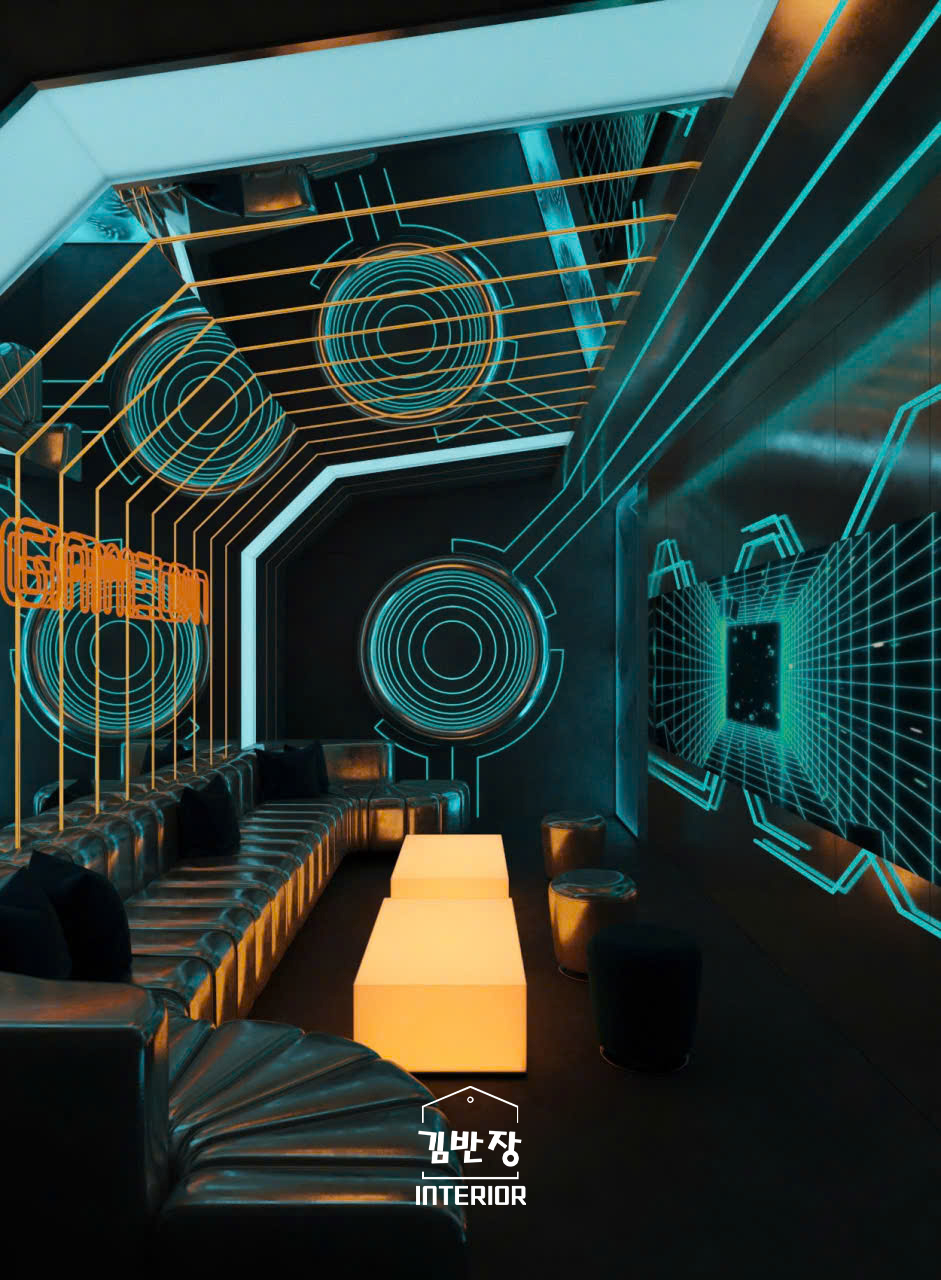
The design concept you choose for your KTV lounge in Saigon will define your target demographic, your pricing position, and your long-term brand identity. The following four styles have demonstrated the strongest commercial performance in Ho Chi Minh City’s competitive entertainment venue market.
Korean Noraebang Style
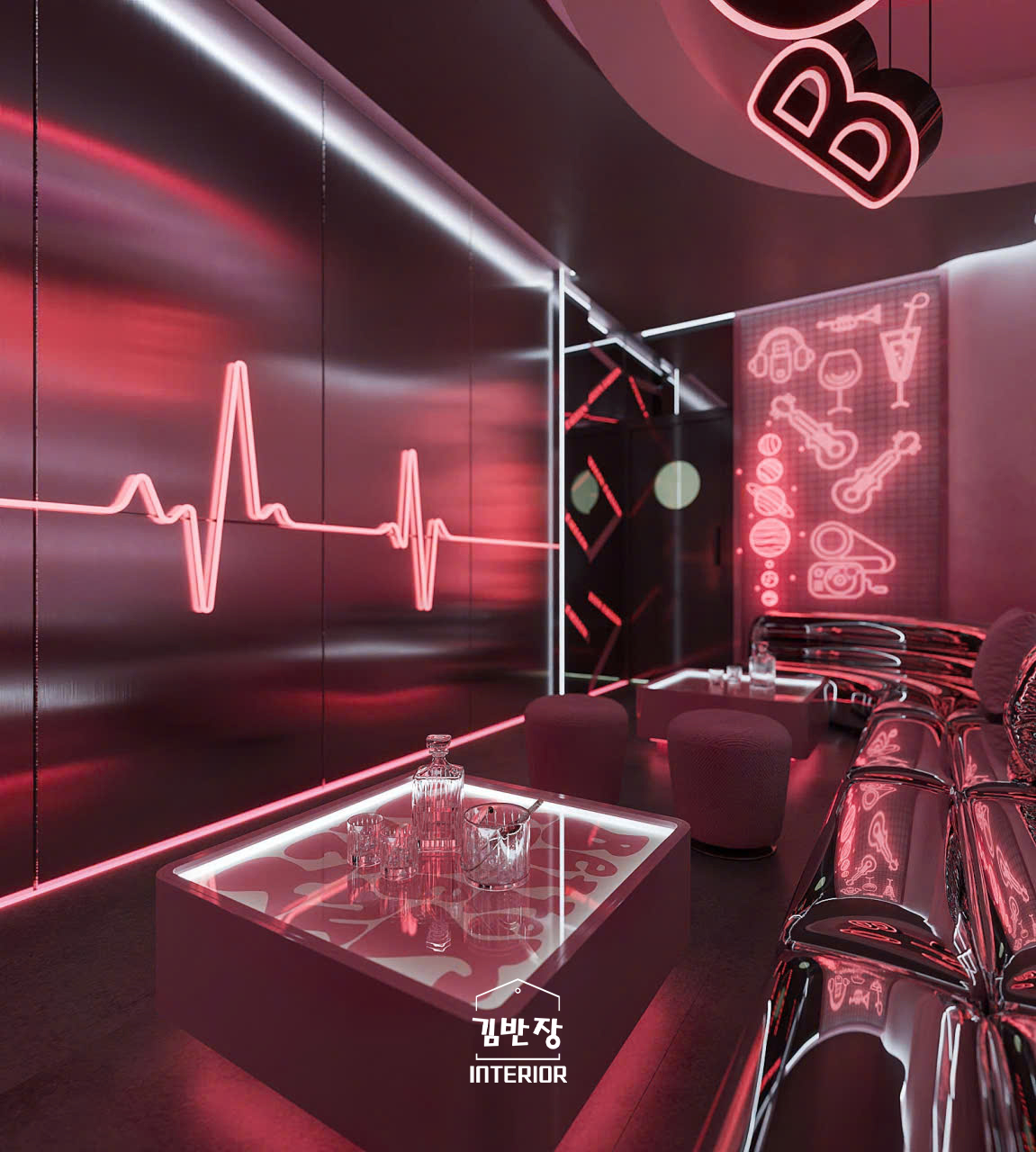
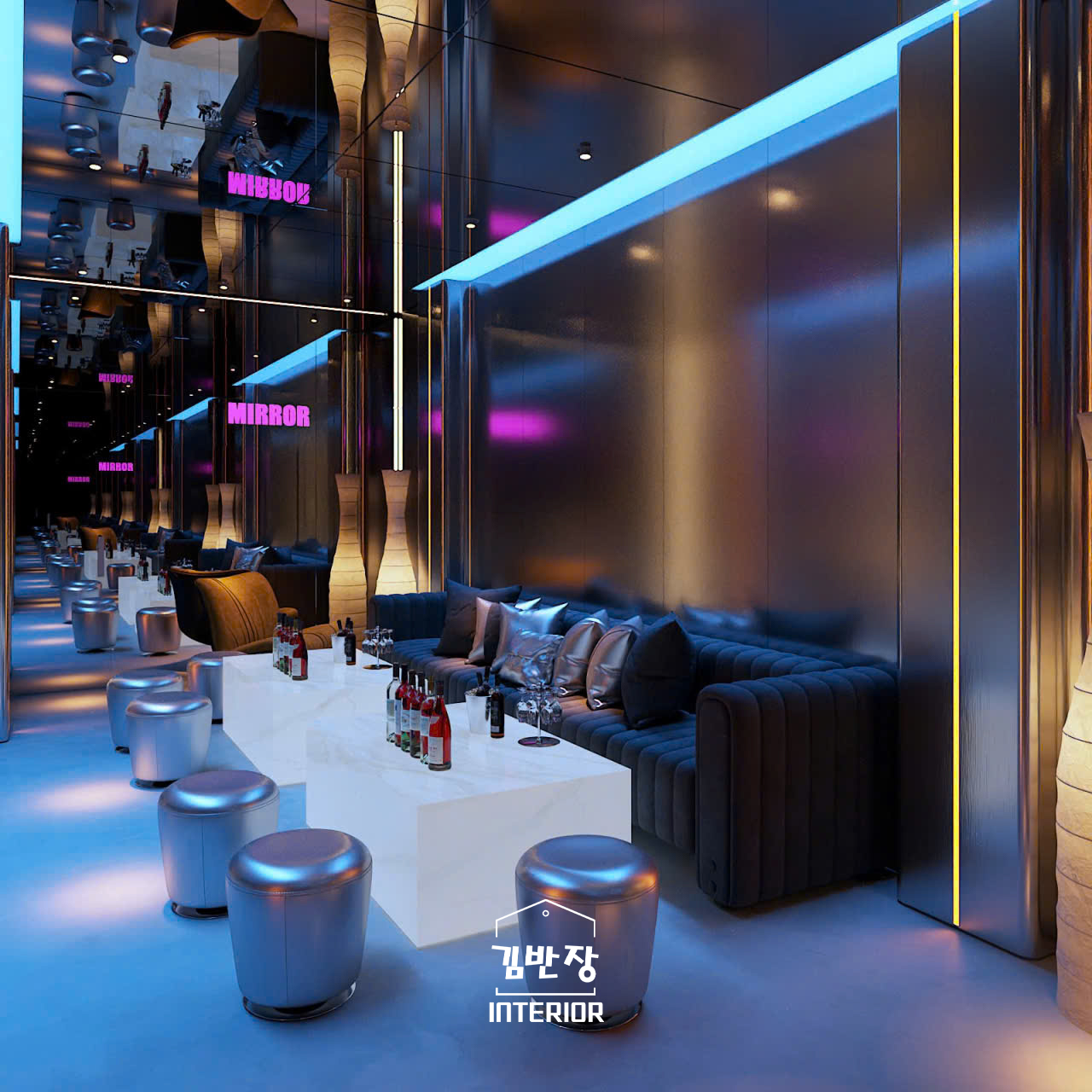
Authentic Korean noraebang design is defined by high-energy visual environments: mirror-finish wall panels, bold neon signage, bright RGB lighting with scene presets, song-selection screen integration, and compact, efficient room layouts optimized for groups of four to ten guests. This style performs strongly in Districts 7 and Binh Thanh, where the Korean expatriate population is densest, and increasingly in District 1, where international visitors actively seek culturally specific entertainment experiences.
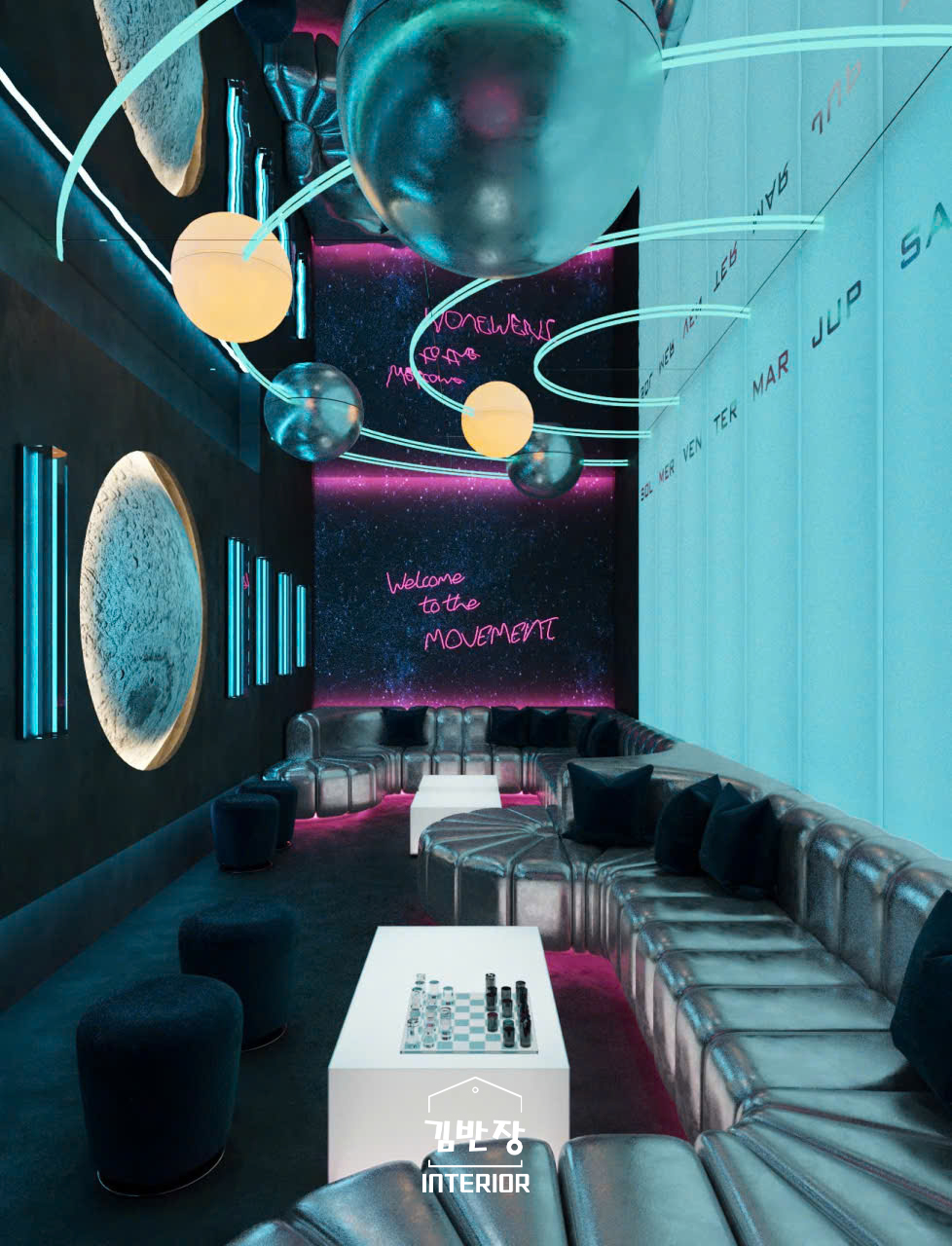
Our Korean-speaking designers do not simply reference noraebang aesthetics — they understand the cultural standards that Korean guests expect, from the ergonomics of the seating layout to the acoustic quality of the room. That cultural fluency produces venues that feel authentically Korean rather than superficially themed.
Luxury Dark Lounge
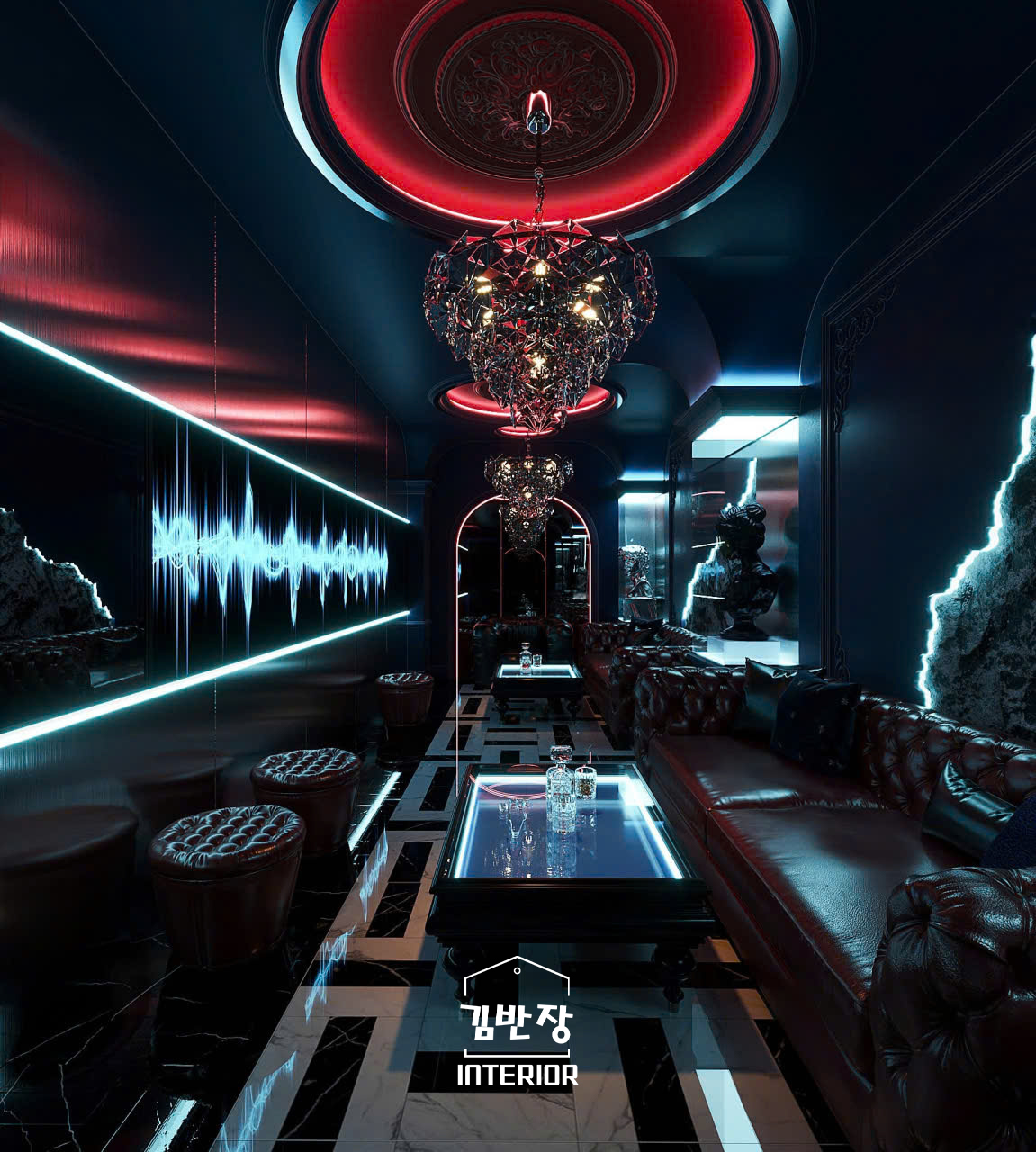
The luxury dark aesthetic dominates Saigon’s high-end KTV segment: deep velvet seating in jewel tones, mirror-paneled walls, custom pendant lighting, and a palette of charcoal, navy, emerald, and gold. This style is most effective for venues targeting corporate clients, high-net-worth individuals, and the premium bottle-service market. It commands the highest per-room revenue of any KTV concept currently operating in Ho Chi Minh City and is particularly well suited to multi-room venues with dedicated VIP suites.
Indochine-Fusion KTV
A uniquely Saigon concept: combining locally crafted materials — rattan panels, hand-painted ceramic tile, terrazzo flooring, raw linen — with contemporary AV infrastructure and precision acoustic engineering. This style resonates strongly with international visitors who want a KTV experience that feels distinctly Vietnamese rather than generically Asian. It photographs exceptionally well, supporting social media visibility, and is well suited to boutique venues in Districts 1 and 3 targeting upscale tourism and expatriate clientele.
Contemporary Minimalist
Clean geometric lines, warm oak or walnut millwork, concealed indirect lighting, and a restrained neutral palette define the contemporary minimalist KTV aesthetic. This style is most effective for smaller boutique KTV lounges embedded within hotels, members-only clubs, or premium residential developments. It signals quiet sophistication rather than high-energy entertainment, attracting professionals and corporate groups who prioritize privacy and acoustic quality over visual spectacle.
Not sure which design direction best fits your target market and location? Our bilingual team — fluent in English and Korean — offers a no-obligation consultation to align your concept with the right design strategy. Contact Kimbanjang Interior to schedule your session.
The Technical Elements That Determine a KTV Lounge’s Commercial Success
Aesthetic design is visible. Technical design is what guests actually experience — and what determines whether they return. The following technical elements are non-negotiable in any commercially viable KTV lounge interior design in Saigon.
Acoustic Soundproofing
Soundproofing is the single most critical technical specification in KTV room design. Inadequate acoustic separation between rooms destroys the guest experience, generates neighbour complaints, and — in HCMC — can result in regulatory fines and forced closure under the city’s noise ordinance framework. A professionally designed KTV lounge requires:
- Double-wall construction with an air gap between structural and acoustic layers
- Floating floor systems to prevent impact noise transmission between floors
- Acoustic ceiling panels rated to reduce sound transmission to adjacent rooms
- Solid-core, acoustic-rated doors with compression seals on all four edges
- STC (Sound Transmission Class) ratings of 50 or above between rooms for premium venues
Our technical design team specifies acoustic solutions based on the structural characteristics of each specific building — not generic specifications applied uniformly across projects.
Dynamic Lighting Systems
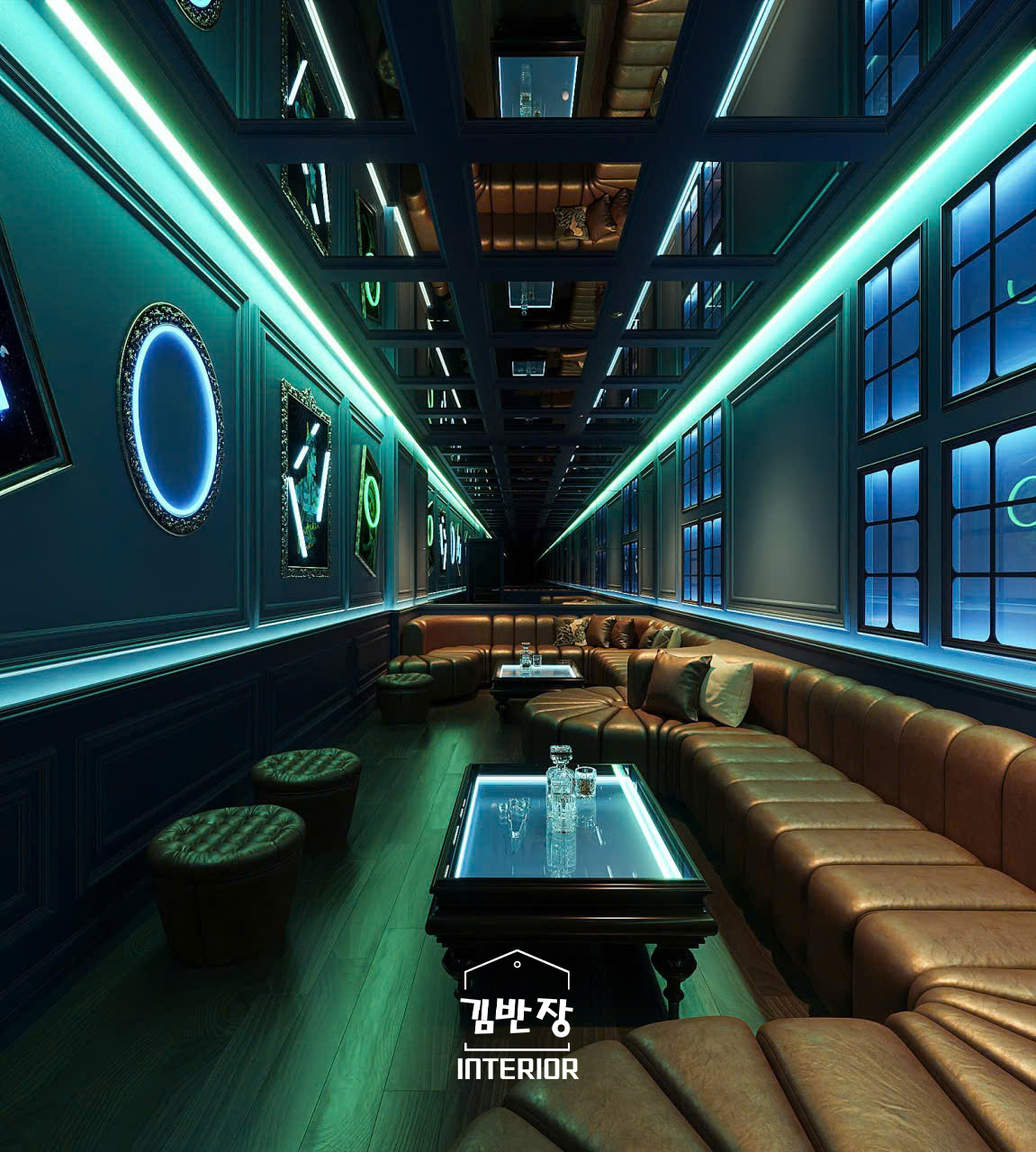
Lighting in a KTV lounge is not fixed — it is programmable, responsive, and integral to the guest experience. A professionally designed system includes:
- RGB LED strip lighting with per-room scene control
- Preset lighting scenes — party mode, chill mode, VIP service mode — controlled by guests via tablet or wall panel
- Architectural accent lighting to define spatial volumes and highlight design features
- Integration with the room management system to automate lighting transitions during service calls
AV and Screen Integration
The AV system is the functional heart of any KTV room. Key specification decisions include:
| Component | Standard Option | Premium Option | Recommendation |
|---|---|---|---|
| Display | 55–65 inch LED TV | 85–100 inch LED or laser projection | Premium for rooms above 25 m² |
| Microphones | Wired dynamic microphones | UHF wireless microphone system | Wireless strongly preferred for luxury tier |
| Speaker system | 2.1 stereo configuration | 5.1 or 7.1 surround sound | 5.1 minimum for mid-range and above |
| Song library system | Standard Vietnamese/English library | Multi-language including Korean/Japanese | Korean library essential for expat market |
| Room control interface | Physical remote control | Dedicated tablet with room management app | Tablet preferred for premium venues |
Custom Furniture and Millwork
KTV furniture operates under significantly higher wear conditions than standard hospitality seating. Commercially specified KTV furniture must meet the following criteria:
- Upholstery: Commercial-grade vinyl or performance fabric — moisture-resistant, cleanable, and rated for heavy use cycles
- Sofa configuration: U-shaped or L-shaped seating to maximize guest capacity and maintain sight lines to the screen
- In-room bar or service counter: Integrated into the millwork design for premium rooms, with concealed bottle storage and ice bucket recesses
- Cable management: All AV cabling routed within wall cavities or custom millwork channels — exposed cables are both a safety risk and an aesthetic failure
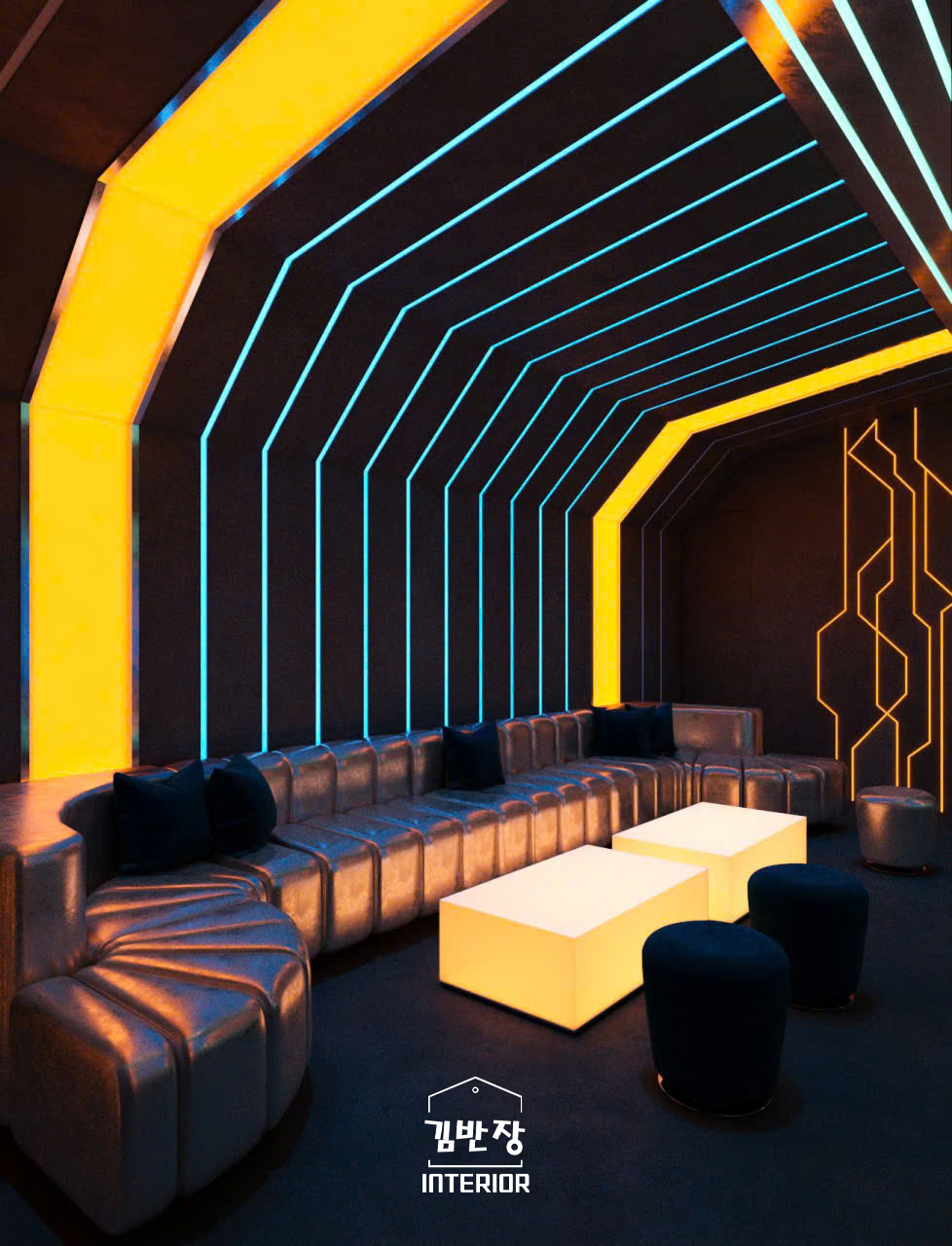
How We Design and Build KTV Lounges in Saigon: Our 6-Step Process
Every KTV lounge interior design project at Kimbanjang Interior follows a structured six-phase process. This process was designed specifically to meet the expectations of foreign investors — with clear milestones, documented approvals, and full communication in English or Korean at every stage.
- Phase 1 — Initial Consultation (English or Korean): We conduct a site visit and brief session — in person in Ho Chi Minh City or via video call for overseas clients — to define the project scope, target market, design direction, and budget parameters.
- Phase 2 — Concept Design and Moodboard: Our creative team develops the design concept with mood boards, material samples, color palette, and reference imagery. Presented and discussed in your preferred language.
- Phase 3 — Technical Drawings and 3D Visualization: Full architectural and MEP drawings are produced alongside photorealistic 3D renders. You approve the design with complete visual clarity before any construction begins.
- Phase 4 — Acoustic, Lighting, and AV Engineering: Specialist specifications are developed for soundproofing, lighting control systems, and AV integration — tailored to the structural characteristics of your specific building.
- Phase 5 — Construction and Site Management: Our construction team executes the fit-out under active daily site supervision. Weekly progress reports — with photographs and milestone updates — are provided in English or Korean.
- Phase 6 — Handover, System Training, and Warranty: Full technical handover with operating manuals for all installed systems. Defect liability period and warranty terms are clearly documented in your contract.
KTV Lounge Interior Design Cost in Saigon: Realistic Investment Ranges
Cost transparency is rare in the Saigon interior design market. The following investment ranges reflect current market conditions in Ho Chi Minh City and are intended to give foreign investors a realistic planning baseline.
| Project Tier | Fit-Out Cost (per m²) | Typical Venue Size | Estimated Room Count | Total Investment Range |
|---|---|---|---|---|
| Standard KTV | USD 400 – 600 | 200 – 350 m² | 5 – 8 rooms | USD 100,000 – 200,000 |
| Premium KTV Lounge | USD 700 – 1,200 | 300 – 600 m² | 8 – 15 rooms | USD 250,000 – 600,000 |
| Luxury VIP KTV | USD 1,200 – 2,500+ | 400 – 800 m² | 10 – 20 rooms | USD 500,000 – 2,000,000+ |
Key variables that influence total cost include: imported versus locally sourced materials, the specification tier of the AV and lighting systems, the number of VIP rooms requiring premium finishes, structural modifications required by the existing building, and PCCC (fire safety) compliance upgrades. For Korean investors specifying Korean-brand AV equipment or imported Korean interior materials, Kimbanjang Interior has established supplier relationships that allow direct procurement at competitive rates — without the additional margin typically charged by intermediaries.
Legal and Regulatory Requirements for KTV Lounges in Ho Chi Minh City
Regulatory compliance is not an afterthought in KTV lounge design — it is a design constraint that must be incorporated from the earliest planning stage. Foreign investors who discover compliance requirements after construction begins face costly redesign, delays, and potential licensing complications.
Fire Safety Compliance (PCCC)
Vietnamese fire prevention and firefighting regulations — PCCC — impose specific requirements on entertainment venues, including minimum emergency exit widths and quantities, fire-rated wall and door specifications, sprinkler system coverage, emergency lighting, and evacuation signage. These requirements directly affect room layout, corridor widths, and material selection. Our technical design process incorporates PCCC compliance as a primary design constraint — not a post-design correction.
Noise Regulations and Soundproofing Standards
HCMC enforces noise ordinances that vary by district and proximity to residential zones. Entertainment venues operating after 10 PM in mixed-use areas are subject to decibel limits that require professionally engineered soundproofing to meet. Non-compliance results in fines, neighbour complaints escalated to district authorities, and — in repeat cases — suspension of the operating license. Soundproofing is not a design option in a KTV lounge — it is a legal requirement.
Business Licensing for Foreign-Owned Entertainment Venues
Foreign investors must establish a legally compliant business entity in Vietnam before applying for an entertainment operating license. The process involves the Department of Planning and Investment, the Department of Culture, Sports and Tourism, and district-level authorities. Kimbanjang Interior works alongside qualified local legal advisors to ensure that our design documentation meets the submission requirements of the licensing process — reducing the risk of application rejection or delay.
Completed KTV Projects by Kimbanjang Interior in Ho Chi Minh City
Our portfolio of completed karaoke room interior design projects in Ho Chi Minh City demonstrates our capability across multiple design styles, project scales, and client backgrounds. Each project is delivered under a single integrated design-and-build contract, with full English and Korean-language communication throughout.
- Balloon N Chill — Luxury Karaoke Lounge: A high-energy immersive entertainment venue combining dynamic RGB lighting, custom mirror-panel interiors, and a fully integrated multi-room AV system. Designed and built for an international client seeking a distinctly premium nightlife concept.
- Saigon Prestige Suite — VIP KTV Lounge: A luxury private entertainment facility redefining the VIP karaoke experience in Ho Chi Minh City. Custom millwork, performance fabric seating, concealed AV infrastructure, and a jewel-tone dark aesthetic calibrated for high-net-worth clientele.
- Heaven in Saigon — Intimate KTV Lounge: A boutique private entertainment space designed for an intimate, emotionally resonant guest experience. Warm material palette, precision acoustic engineering, and bespoke custom furniture created specifically for this project.
Explore our full portfolio of completed KTV and entertainment venue projects in Ho Chi Minh City to review detailed photography, project specifications, and client testimonials.
Why International Investors Choose Kimbanjang Interior for KTV Projects in Saigon
The decision to invest in a KTV lounge in Saigon involves significant capital, meaningful regulatory complexity, and a design brief that demands both cultural fluency and technical precision. Kimbanjang Interior was built to serve exactly this type of client.
- English and Korean-speaking project team: Direct communication in your language — from the initial brief through to final handover. No translators, no misunderstood specifications, no avoidable errors.
- Cultural fluency in Korean noraebang standards: We understand what Korean clients expect from a KTV venue — not from reference images, but from direct cultural knowledge. That distinction produces venues that Korean guests recognize as authentically high-quality.
- Integrated design and build: One firm. One contract. One point of accountability for design quality, construction execution, schedule, and budget.
- PCCC compliance from day one: Our technical design process incorporates fire safety requirements as a primary constraint — not a post-construction correction. Your venue will be built to pass inspection, not revised to meet it.
- Transparent, itemized contracts in English and Korean: No ambiguous clauses, no undisclosed costs, no last-minute variations without written approval. Our contract structure meets the documentation standards expected by foreign-invested business entities operating in Vietnam.
- Korean supplier network: For clients specifying Korean AV equipment, lighting hardware, or imported materials, our established supplier relationships enable direct procurement at competitive rates.
Start Your KTV Lounge Project in Saigon Today
Kimbanjang Interior offers a free initial consultation for KTV lounge interior design projects in Ho Chi Minh City. Our team speaks English and Korean — so your vision is understood exactly as you intend it, from the first conversation to the day your venue opens.
Contact us today to schedule your consultation. We respond within 24 hours. Meetings are conducted in English or Korean — in person in Ho Chi Minh City, or via video call for clients overseas.
Frequently Asked Questions
What makes KTV lounge interior design different from standard bar or lounge design?
KTV lounge interior design requires a set of technical specifications that standard bar or lounge design does not. The critical differences are acoustic soundproofing between rooms, per-room dynamic lighting control, integrated AV systems including song library management and microphone infrastructure, and commercial-grade furniture specified for high-use entertainment environments. A designer without KTV-specific technical experience will produce a space that looks correct but performs poorly — particularly in terms of acoustic separation, which is the most common cause of guest complaints and regulatory issues in KTV venues.
Do you have Korean-speaking designers and project managers for KTV projects in Saigon?
Yes. Kimbanjang Interior has Korean-speaking team members who manage KTV projects from initial brief through to construction handover. All project documentation — including design drawings, specifications, contracts, and progress reports — can be provided in Korean. For Korean investors sourcing specific Korean-brand AV equipment or materials, we also maintain direct supplier relationships in Korea that enable competitive procurement without intermediary markups.
How many KTV rooms can be designed within a 300 m² space in Ho Chi Minh City?
In a 300 m² gross floor area, accounting for corridors, reception, service areas, and restrooms, a typical KTV layout would accommodate between 8 and 12 rooms. Standard rooms (for groups of 4–6 guests) occupy approximately 15–20 m² of net floor area. Medium rooms (6–10 guests) require 20–30 m², and VIP suites (10–15 guests) typically occupy 30–50 m² or more. The specific room count depends on the ratio of room types, the structural layout of the building, and the PCCC-required corridor and exit widths.
What are the PCCC fire safety requirements for a KTV lounge in HCMC?
KTV lounges in Ho Chi Minh City are classified as entertainment venues under Vietnamese fire safety law and are subject to mandatory PCCC compliance requirements. Key requirements include: minimum emergency exit widths and quantities based on total capacity, fire-rated wall and door specifications between rooms and corridors, automatic sprinkler system coverage throughout the venue, emergency lighting and evacuation signage, and a fire safety management plan submitted to the district fire authority. Non-compliant venues will not receive an operating license. Our design team incorporates PCCC specifications from the earliest design phase to ensure full compliance at inspection.
How long does a full KTV lounge fit-out take from design to opening in Saigon?
A standard KTV lounge fit-out in Ho Chi Minh City — from signed contract to handover — typically takes between 12 and 20 weeks for a mid-range venue of 200–400 m². Luxury projects with custom imported materials, complex acoustic engineering, or larger floor areas may require 24–36 weeks. Permit processing timelines, which are partially outside the design firm’s control, can add 2–6 weeks depending on the district and the completeness of the application documentation. A detailed project timeline with confirmed milestones is provided before construction begins on all Kimbanjang Interior projects.